Checkers (Draughts)
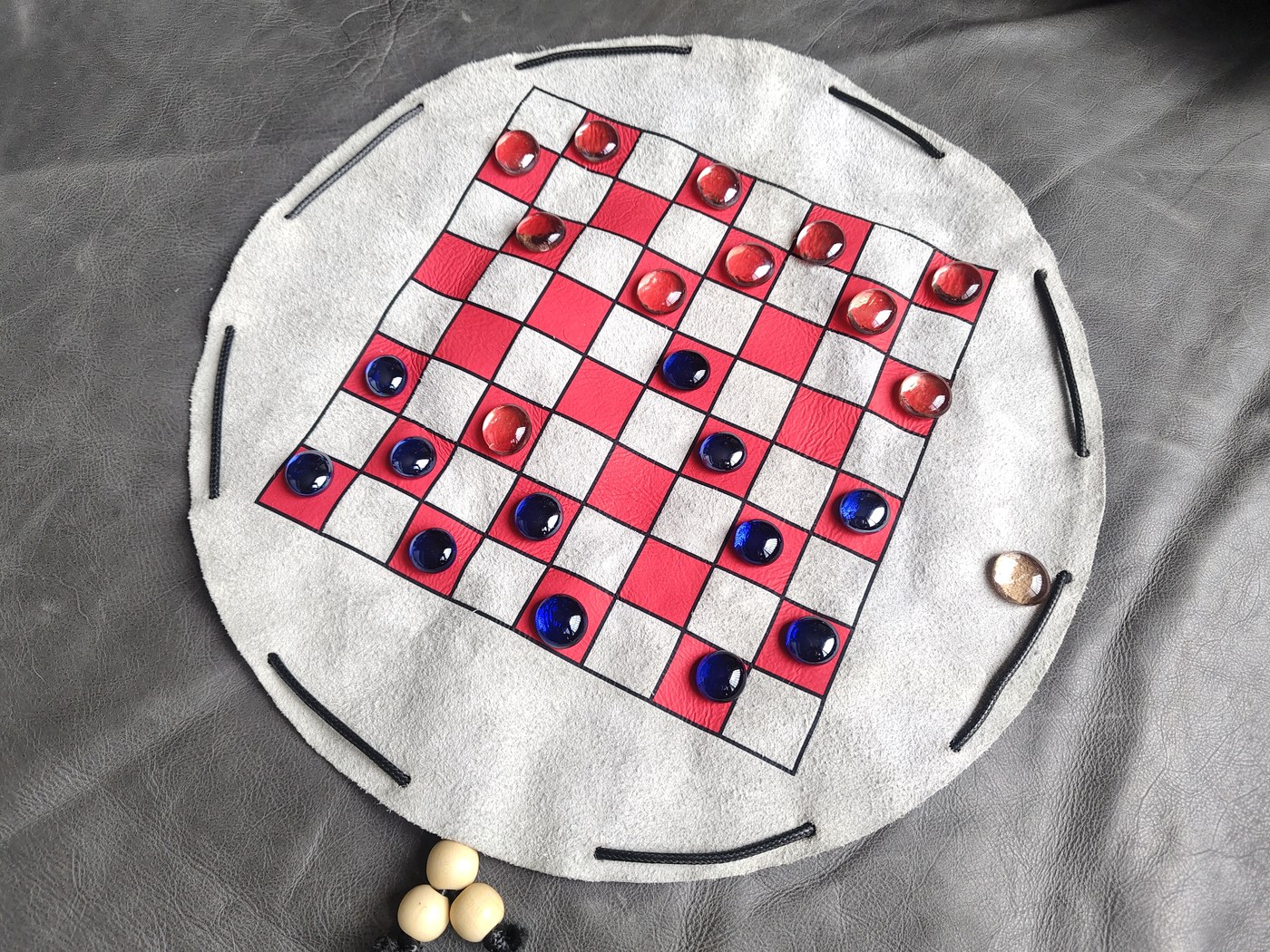
Few board games are as instantly recognisable as Checkers. Known as Draughts in many parts of the world, it belongs to an ancient family of jumping and capture games. Simple to learn but demanding to master.
At The Heritage Game Company, we believe that a board game can be more than something to play. It can be a connection to another time, another culture and another generation.
Our collection brings together games played across centuries — from the ancient world to the medieval playing boards of Europe.
Few board games are as instantly recognisable as Checkers. Known as Draughts in many parts of the world, it belongs to an ancient family of jumping and capture games. Simple to learn but demanding to master.
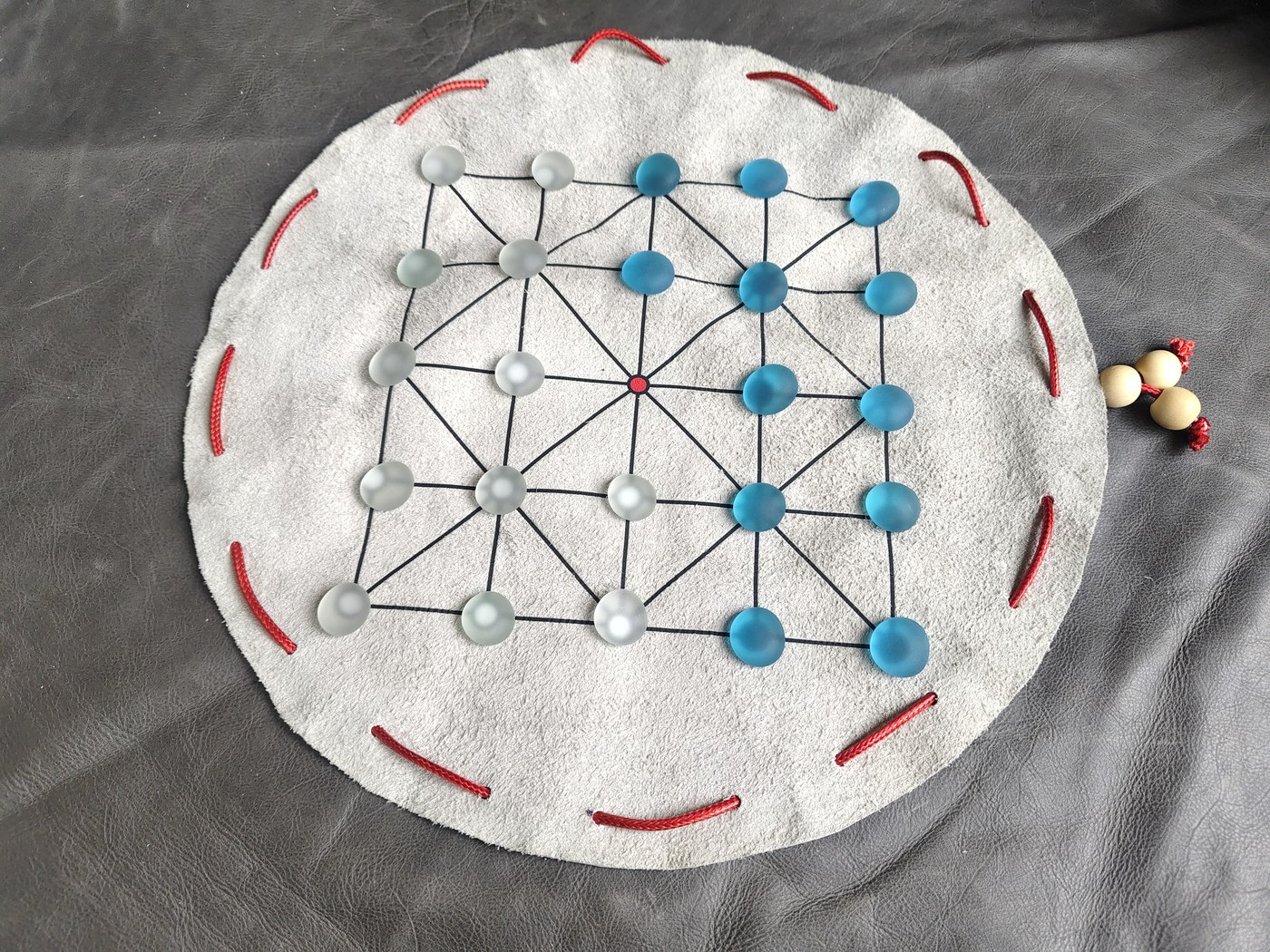
Documented in Alfonso X of Castile's famous 1283 Book of Games. Played on a distinctive 5×5 line network with 12 pieces per player, where captures are compulsory and multi-jump chains dictate the battlefield.
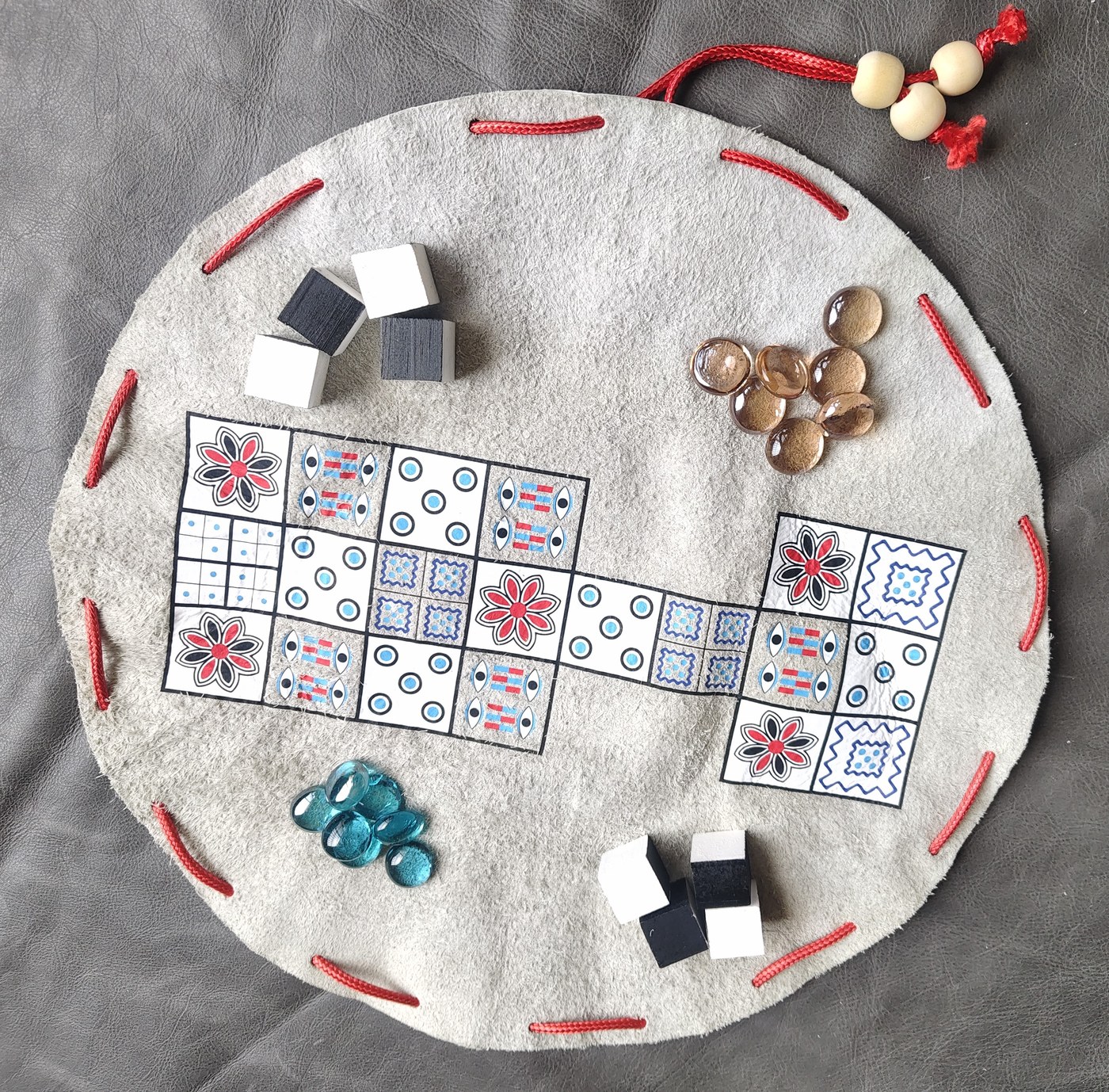
Discovered by Sir Leonard Woolley and deciphered from Babylonian cuneiform by Dr. Irving Finkel. A tactical race along a shared central battleground guarded by sacred rosette sanctuaries and guided by binary wooden dice.
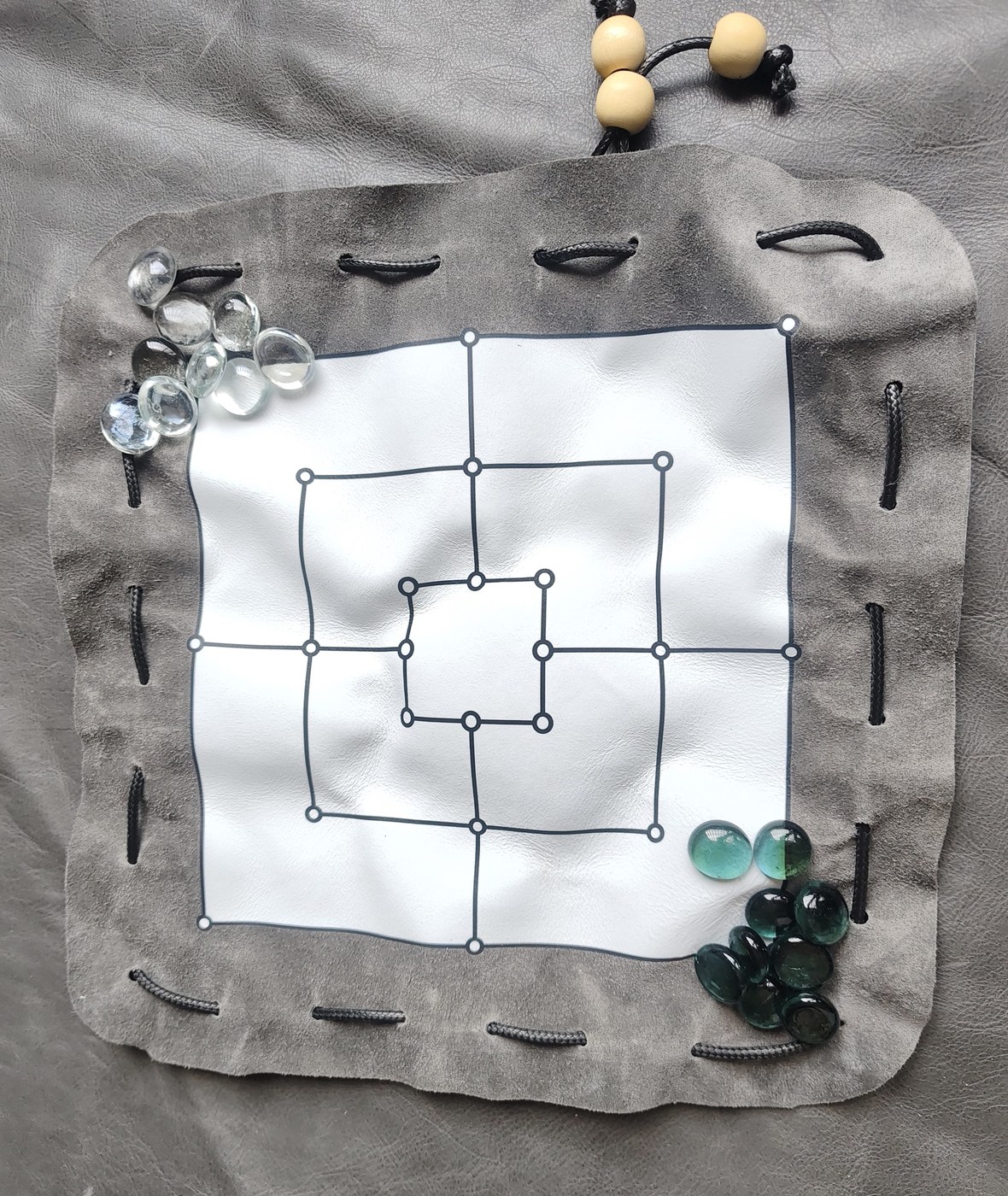
Also known as Merels or Mill. Form lines of three to capture opponent pieces across three distinct tactical phases: initial board placement, strategic movement along lines, and exhilarating end-game flight.
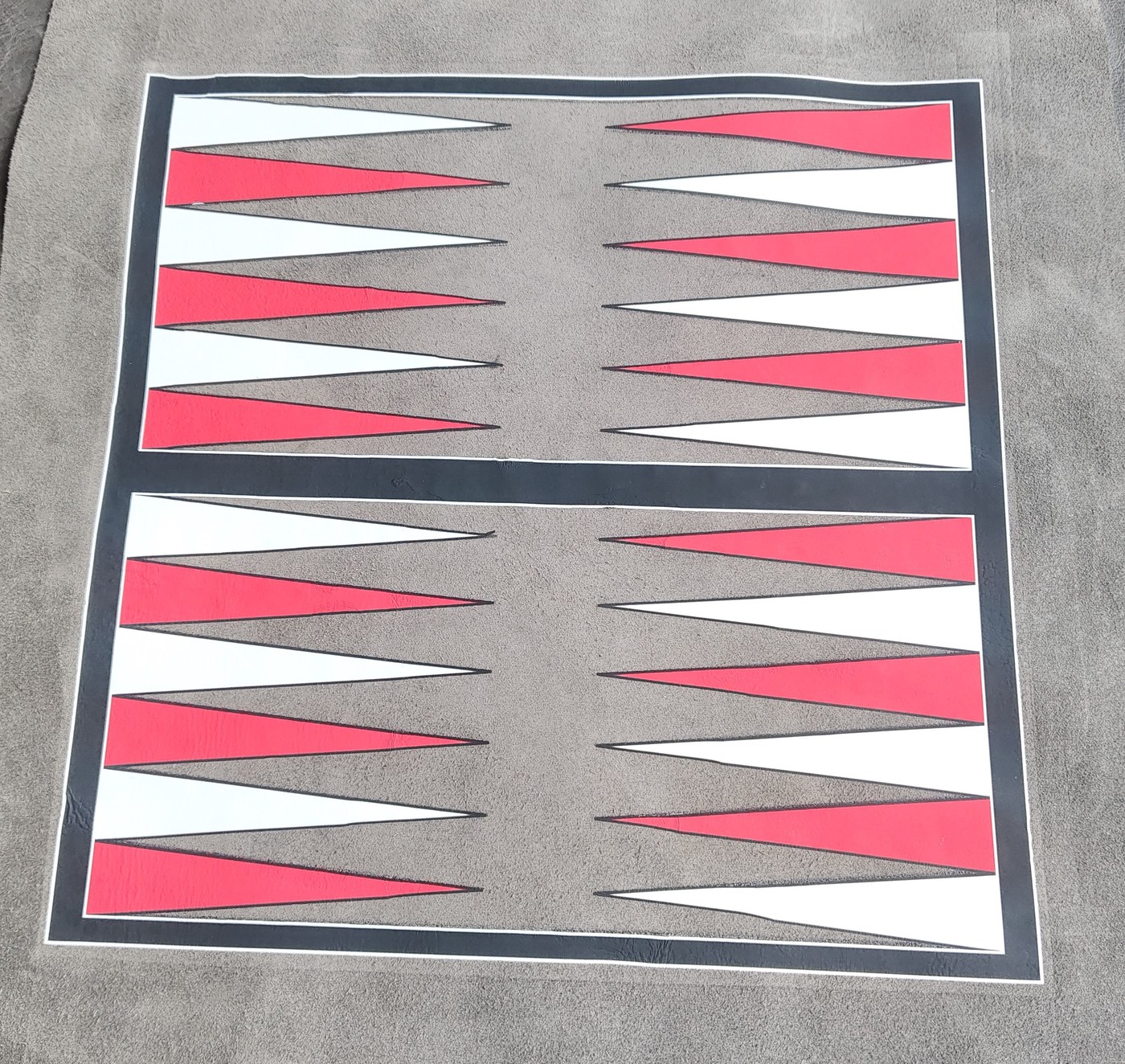
One of humanity's great surviving race games. Navigate 15 checkers around 24 triangular points, strike exposed enemy blots onto the bar, block opposing runs, and bear off to victory.
Every game is an artisanal object of beauty and durability. We combine genuine leathers with tactile pieces designed to be touched and treasured across generations.
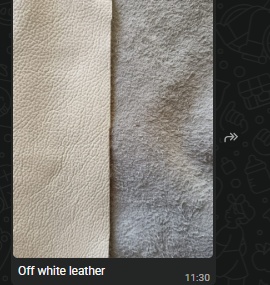
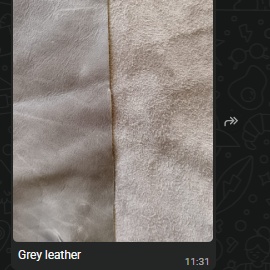
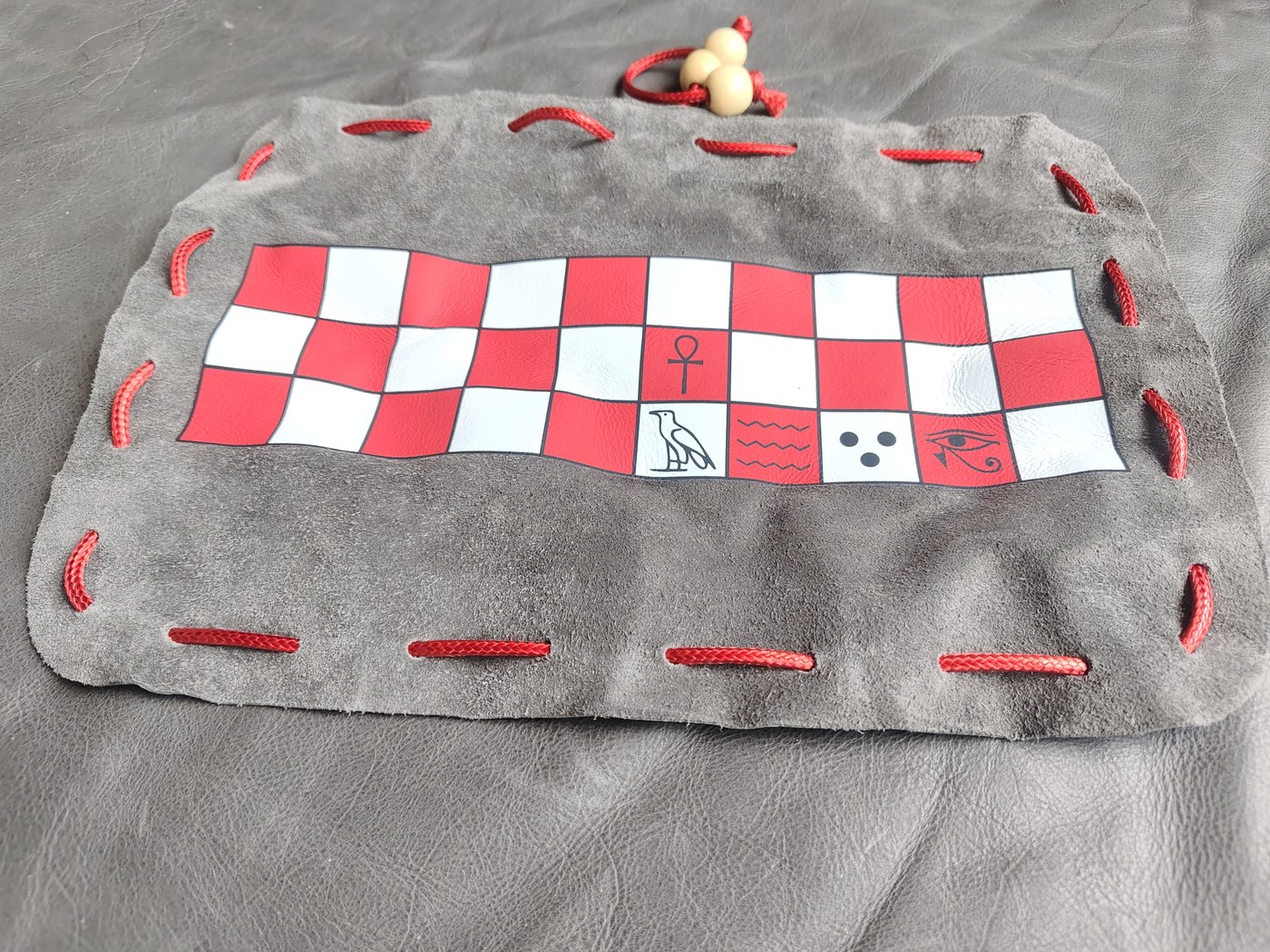
Handcrafted in four genuine leather finishes — Off White, Grey, Avocado Green, and Blue — with perimeter eyelets and drawstring cord lacing (Black, Red, or White). Easily cinches into a portable pouch holding all playing pieces securely for coffee tables, campfires, and journeys.
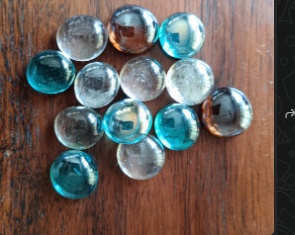
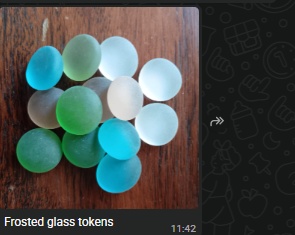
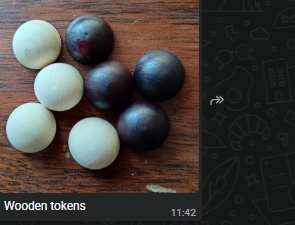
Choose between Glass, Frosted Glass, or Wood playing pieces. Each piece has reassuring weight, smooth contours, and satisfying table acoustic.
For Ur, we craft four two-tone wooden dice with three white faces and three black faces. While ancient players threw split reeds or knuckle-bones, our binary dice retain the mathematical spirit of ancient chance in durable wood.
Where the original rules are known, we follow established modern rules. Where history has left us with unanswered questions, we say so honestly. We categorise our games into three levels of historical confidence.
The rules of the modern game are well documented, rigorously researched, and consistently played across centuries of unbroken living tradition.
Ancient evidence gives us a solid foundation — such as deciphered cuneiform clay tablets or 13th-century manuscripts — though modern scholarly interpretations vary in fine detail.
The game itself is unquestionably ancient and deeply revered, but no complete ancient rulebook survives. Rules are reconstructed based on archaeological clues and tomb paintings.
"For us, authenticity does not mean pretending to know what history has not preserved. Authenticity means telling the story honestly."
When you hold a piece of turned wood or frosted glass above a leather grid, you are participating in a conversation that began thousands of years ago in the shadow of the pyramids, beside the Euphrates, or in the courtyards of medieval Castile. Board games are living artifacts.
Browse All 7 Heritage Games